

Uncategorized
Bang & Olufsen: A Century of Experience as Design
Apr
In the mid-1920s, electricity in the home was still uncertain. Some houses ran on AC, others on DC, and many were only partially connected, if at all. Power existed—but not in a way people could rely on without thought.
Radio entered that world as something unfamiliar, and as effort. Early sets depended entirely on batteries. A heavy lead-acid A-battery powered the filaments and needed regular trips to a shop for recharging. Alongside it, a dry-cell B-battery supplied high voltage—expensive, short-lived, and simply discarded when depleted. Keeping a radio running meant managing both.
Listening, in practice, was never just listening. It involved checking, replacing, planning ahead. The experience was fragmented—broken into steps that sat between the listener and the sound.
The objects themselves reflected this reality. Radios and their components were built to function first. Exposed terminals, loose wiring, separate battery units—these were things to be handled, not simply placed within a living space. They belonged to a system, not to a home.
Radio stopped being a system of effort. It became immediate. It no longer sat apart from the home. It belonged within it.
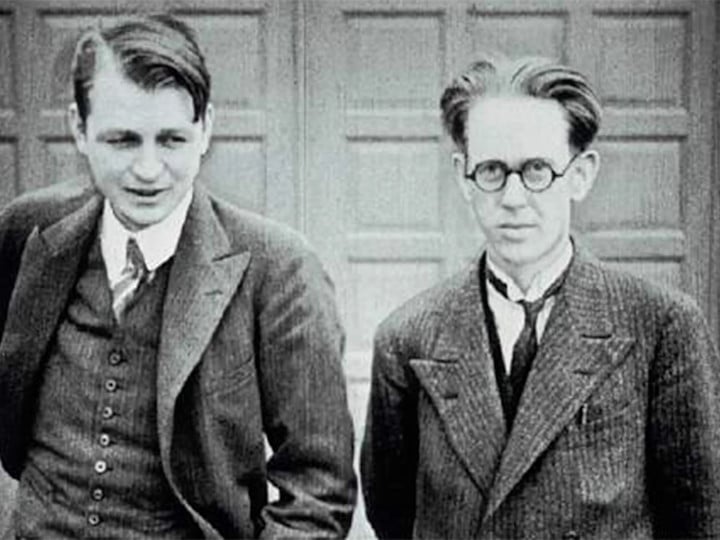
It was within this context that Peter Bang and Svend Olufsen—two engineers in Denmark—began to take a different view. Rather than refining the existing approach, they questioned it. If radio was to become part of everyday life, it could not remain dependent on routines and interruptions. It had to become immediate, stable, and integrated into the home itself.
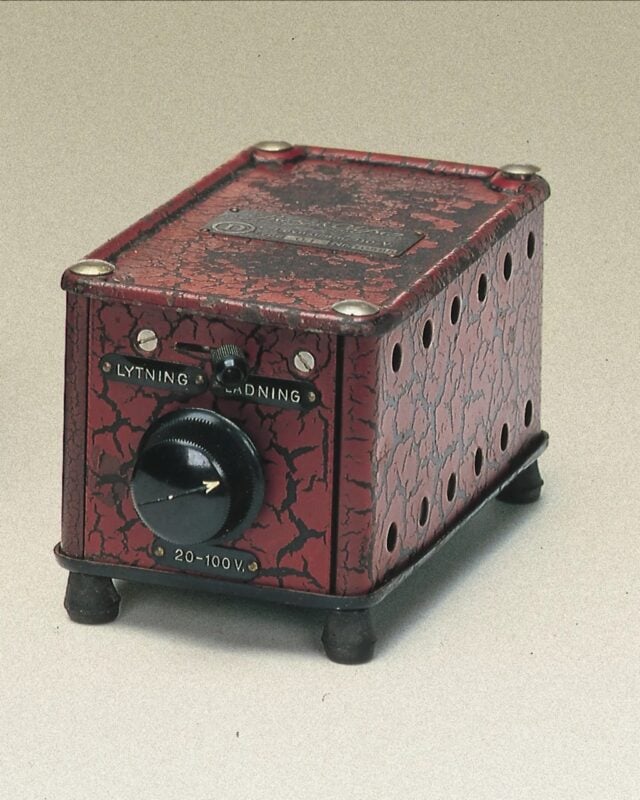
Their answer was the Eliminator. Developed in the mid-1920s and introduced shortly after, it allowed battery-powered radios to run directly from household mains electricity. In one move, it removed the need for both A and B batteries—along with the routines that came with them.
But it was never conceived as a purely technical device. Built with care in a sturdy metal housing, it brought a new sense of permanence and reliability into the home. It was not something to be hidden away, but a quiet, dependable presence that belonged in the room. Inside, it quietly transformed unstable household current into a steady supply the radio could live with. What mattered was not the mechanism itself, but the stability and effortless presence it made possible.
In a time when technology demanded attention, this marked a clear shift. Radio stopped being a system of effort—batteries to manage, steps to follow, interruptions built into use. It became immediate. It no longer sat apart from the home. It belonged within it.
From this point, Bang & Olufsen began to define experience as design—where beauty and effortless presence were inseparable.
