Uncategorized
Hear Focal’s Scala Utopia Evo M First at Premium Sound
Jul
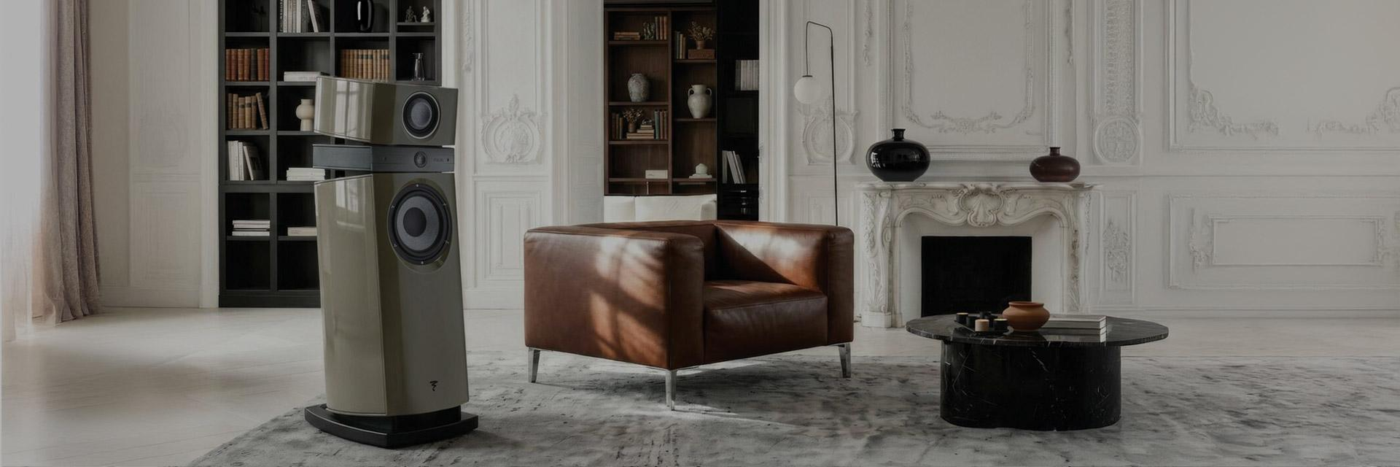
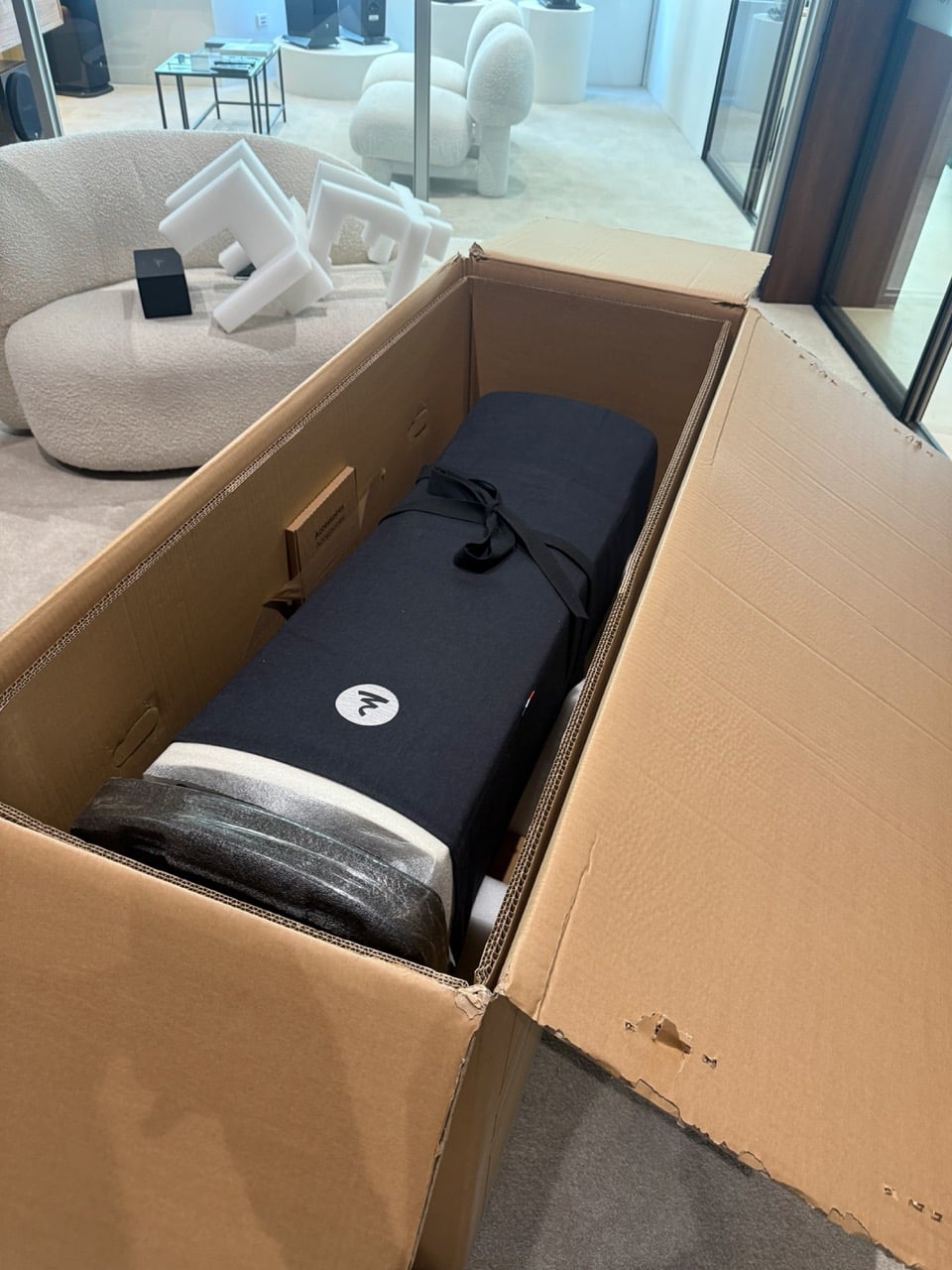
We just unboxed something special
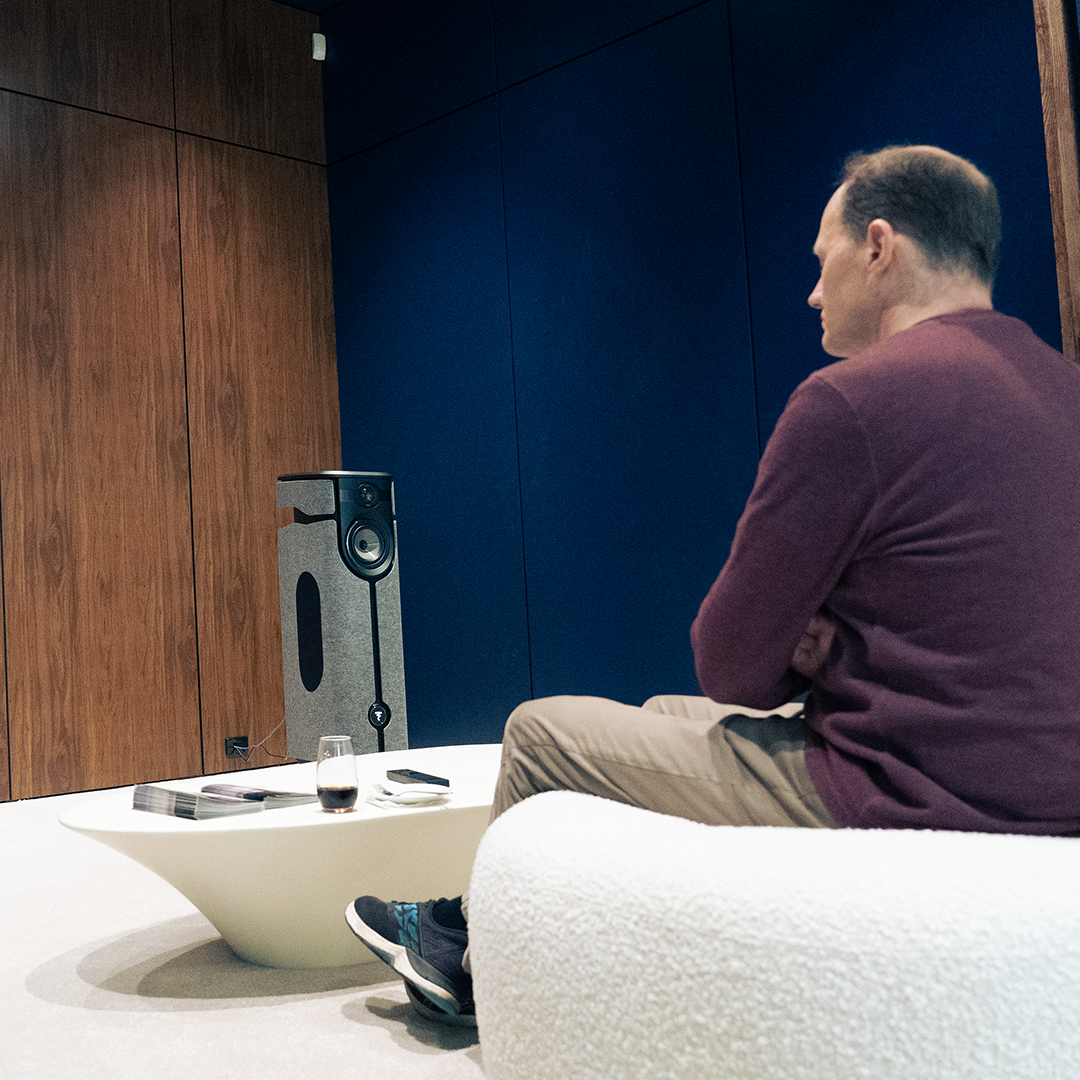
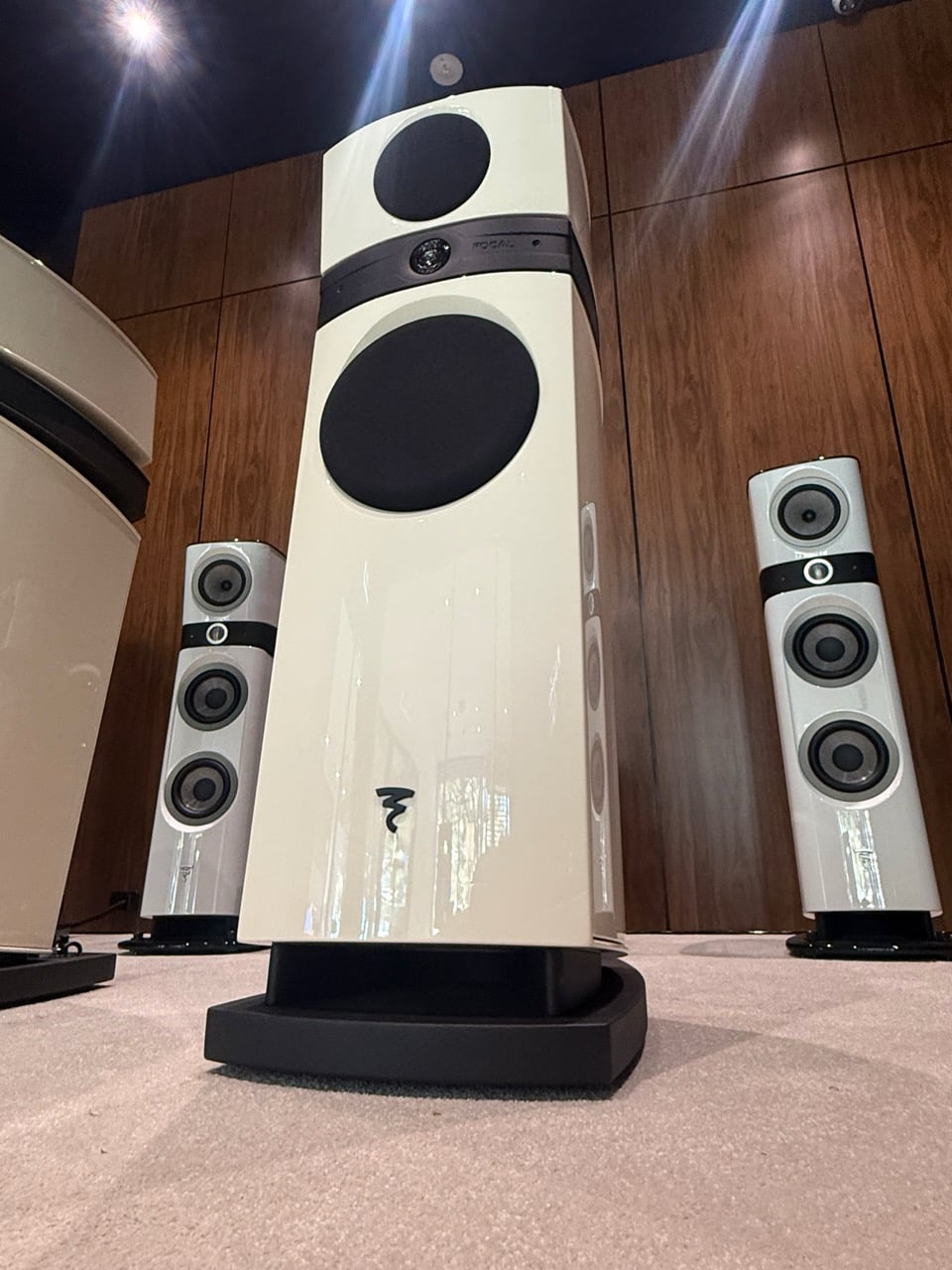
We got the Scala Utopia Evo M set up in our FPBN room this week, and we haven’t stopped talking about it since. A few of us have kept finding reasons to wander back in there between customers, just to sit down for five more minutes.
This isn’t a review. We haven’t lived with these long enough to write one, and we won’t pretend otherwise. What we can tell you is that Focal has opened, in their words, a new chapter in the Scala Utopia story, and after a few days with these in the room, we understand why they’re calling it that.
We wanted to share what we’re hearing while it’s still fresh, and invite you in to hear it yourself.
Two new drivers, one clear goal
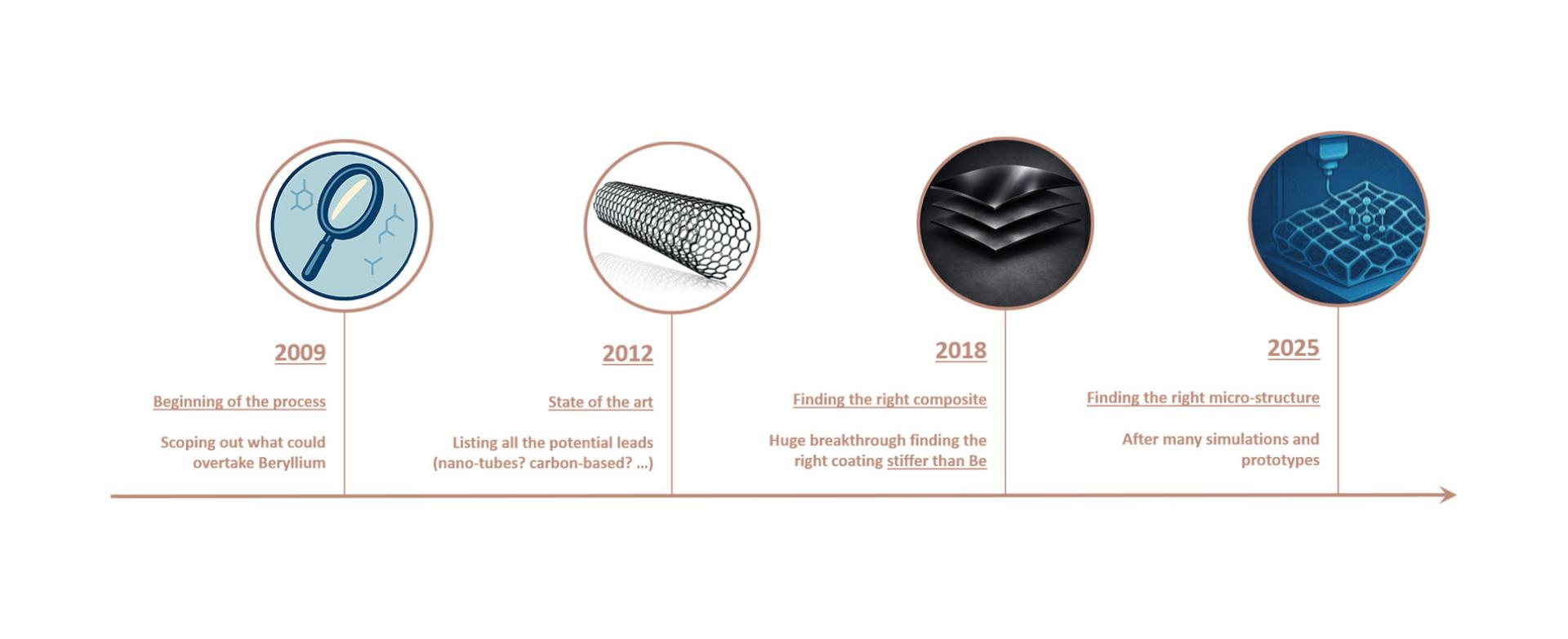
The headline change is up top. Focal has moved away from beryllium tweeters entirely and introduced PRISM, a new composite dome that’s stiffer and better damped, which means fewer unwanted resonances colouring the treble. Paired with Focal’s IAL2 loading, the aim is treble that stays smooth and controlled even when you push the volume, rather than turning harsh. Because PRISM isn’t a fixed shape the way beryllium domes are, Focal can micro-shape the dome to fine-tune the response, so the tuning is more deliberate than in past generations.
The midrange gets just as much attention. The new M-profile W driver is built to resist cone deformation at higher output, which is the main thing that muddies vocals and instruments when a speaker is worked hard. The result Focal is chasing is a midrange that stays precise and dynamic rather than smearing detail as things get loud.
What is holding those drivers steady
The new drivers only work because of what surrounds them. Focal’s TMD suspension, used in both the PRISM tweeter and the midrange, adds a small tuned mass to the surround that acts like a counterweight. It cancels out the surround’s own resonance instead of letting it colour the sound, which on an optimised tweeter design cuts total harmonic distortion by around 50%. In plain terms, less of the surround’s own vibration leaks into what you hear.
The woofer gets a dual ferrite motor, essentially two stacked magnets working the voice coil instead of one. That gives the driver a steadier grip on the cone at high excursion, so bass stays controlled rather than loose when you push volume.

Tying it together is OPC+, Focal’s crossover, which keeps the drivers in phase with each other and lets us fine-tune bass and treble by a decibel either way to suit the room.
Two workshops, one speaker
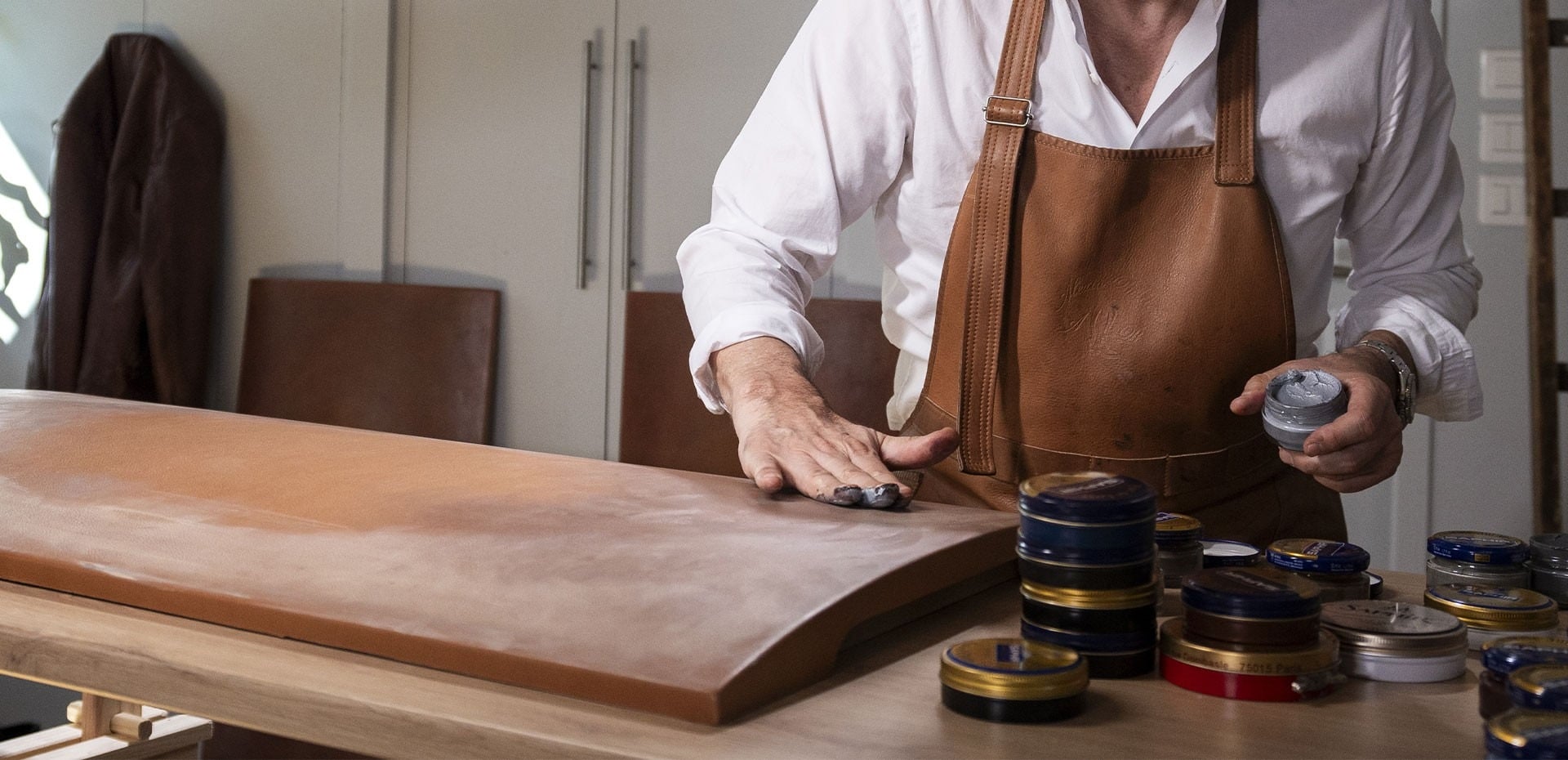
The cabinets are built in Burgundy, at Focal’s own cabinetry workshop in Bourbon Lancy, where they’re hand assembled and finished before making the trip to Saint Étienne to be married with drivers. It’s the kind of split we love telling customers about. The drivers themselves come out of a Saint Étienne complex where roughly 200 people build them largely by hand, station by station, rather than off a fully automated line.
Focal is one of the few speaker makers left that designs and builds its own drivers in house rather than buying them in. When you’re looking at a $79,000 to $92,000 speaker, that matters. You’re paying for craft, not just parts.
Why we’re demoing these on Naim, not just any amplifier
Focal and Naim have been part of the same group since 2011, and it shows in how deliberately they’re designed to work together. Focal handles acoustics, Naim handles electronics, and the two teams coordinate so the sound signature lines up rather than fighting itself. Speaker designs account for how Naim amps actually behave, and Naim’s circuits get tuned with Focal drivers in mind, not just generic loads.
We’re setting the Evo M up with Naim in our demo room for that reason. Owners and reviewers who’ve heard Utopia-series speakers on Naim electronics consistently talk about tighter bass, more headroom at volume, and a midrange that stays natural instead of turning thin or edgy under pressure. That’s the version of this speaker worth hearing.
What it costs and what it comes in
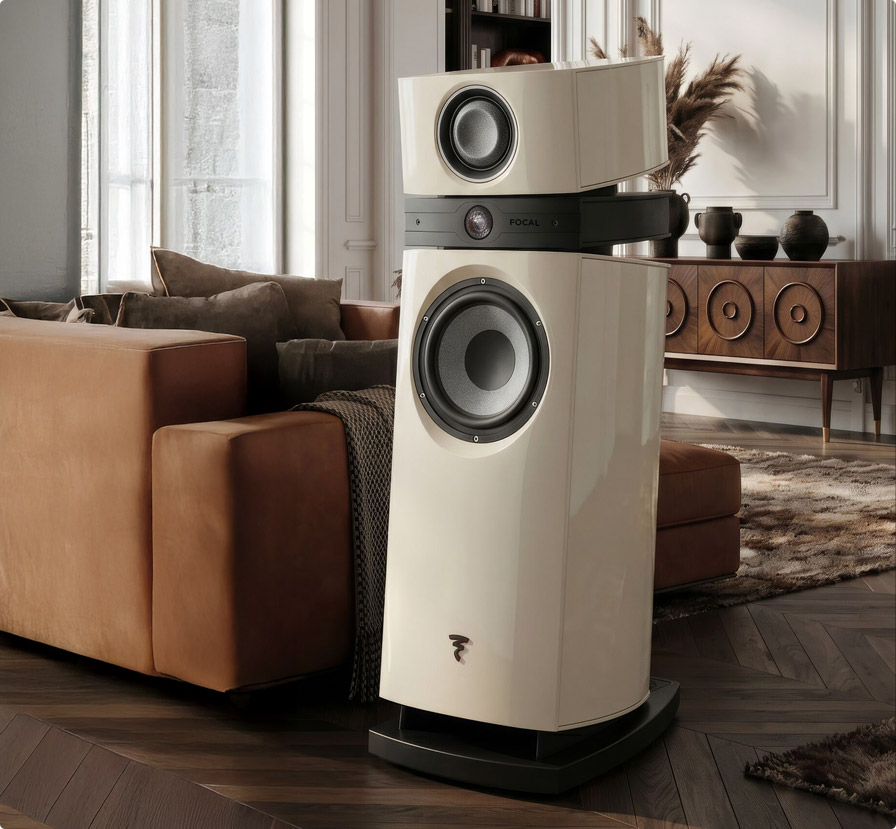
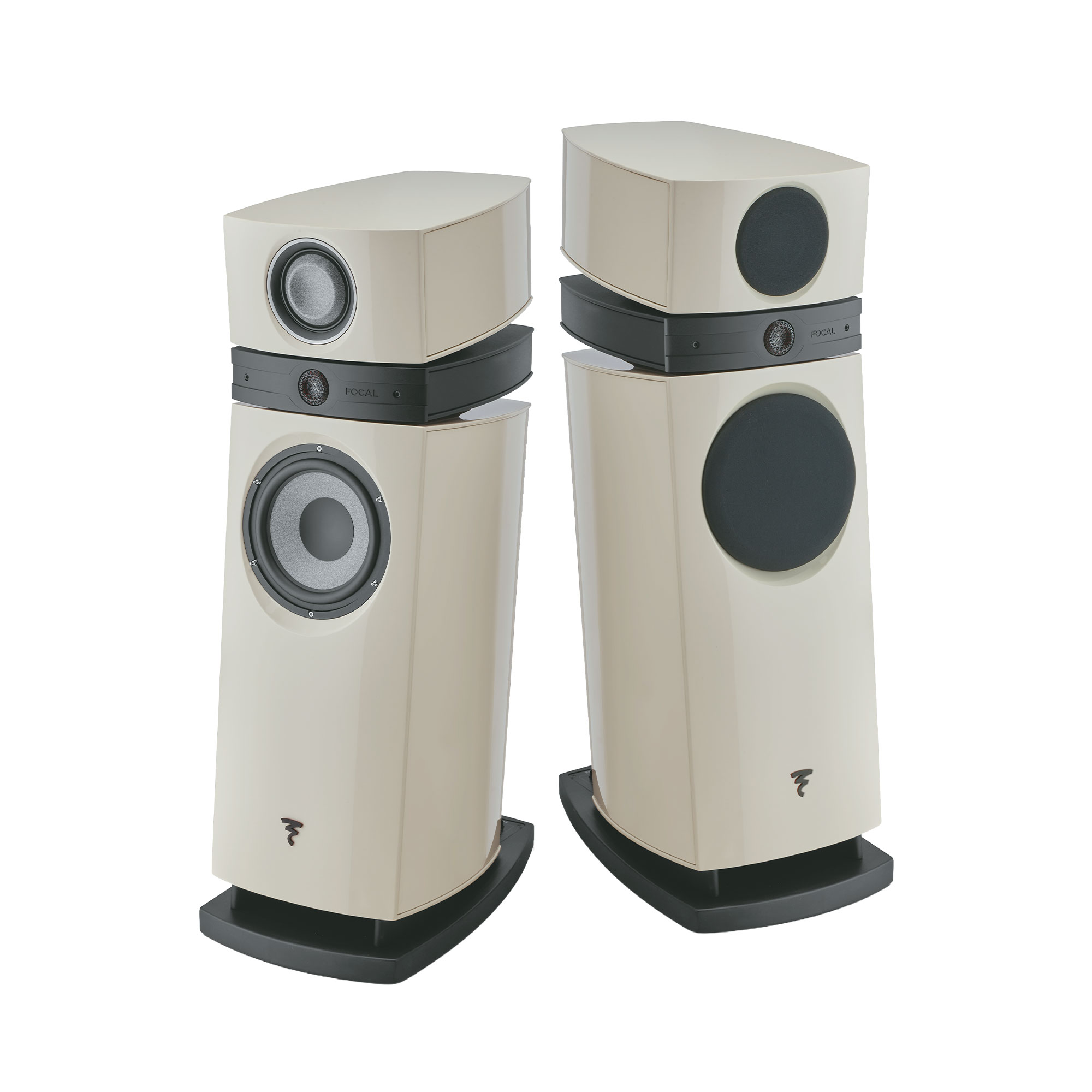
The Scala Utopia Evo M is available in five finishes: three high gloss lacquers (Black, Off White, and Warm Taupe) and two walnut veneers, one with an Off White front panel and one with a darker front. Pricing runs from $79,000 to $92,000 AUD a pair depending on which finish you choose, lacquer sitting at the lower end, veneer at the top. It’s a real spread, and worth asking us about directly if a particular finish has caught your eye.
What to expect and when
The pair in our FPBN room is the first in the country. Focal is bringing it to Australia as a limited retail release across select stores, so it won’t be widely available. Ours is already here, set up and ready to listen to — before it’s landed anywhere else. If you’d like to see it before the wider release, get in touch and we’ll sort a time.
Visit us and listen
We’d genuinely love to sit down with you in the FPBN room and let the Scala Utopia Evo M do the talking. Bring your own music if you’ve got it. Bring your questions about finishes, Naim pairings, or anything else we’ve covered here. There’s no pressure and no sales pitch, just a good pair of chairs and a speaker we’re excited about.
Come by, grab a seat, and hear what all the fuss is about.